Bread, water, and a day or two
A lightly fermented drink made from rye bread, water, sugar and yeast.
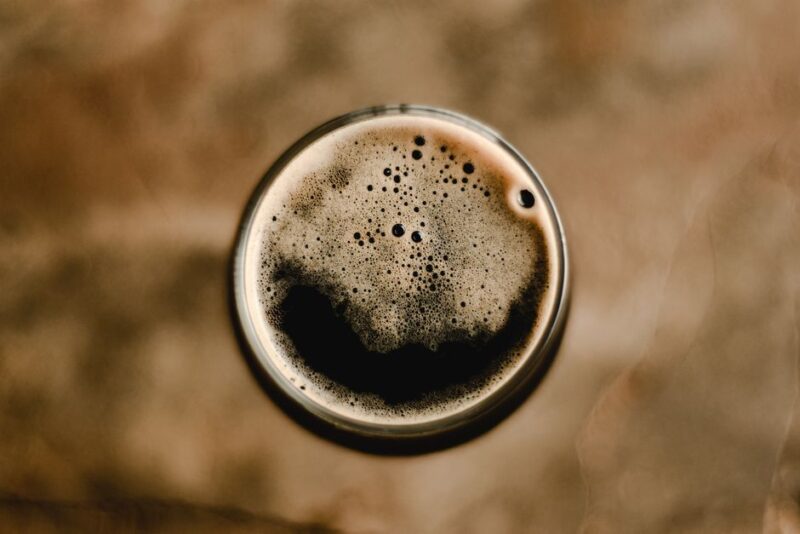
Dark, tangy, faintly fizzy, and drunk cold — a soft drink across Eastern Europe.
Is it alcoholic?
Technically yes, practically no: usually 0.5–1.2% in commercial kvass,
comparable to a ripe kefir. Homemade batches left to ferment longer or in a warm kitchen
can go higher, which is worth knowing if you make it yourself.
How is it made?
Dry rye bread in the oven until well toasted — the darker the crusts, the darker and more
caramel the kvass. Pour boiling water over it, steep several hours, strain, add sugar and a
little yeast, and ferment at room temperature for one to two days until it
tastes tangy and has begun to fizz.
Do the bottles really explode?
They can, and this is the practical warning. Fermentation continues after bottling,
so leave headroom and do not seal tightly at room temperature.
Refrigerate once it is fizzy.
Is it only a drink?
No, and this is what most people outside the region miss. Kvass is the traditional base for
okroshka, the cold summer soup, where its sourness does the job vinegar would
do elsewhere. It also goes into marinades for pork and beef, and into rye bread doughs.
What is beetroot kvass, then?
A different thing entirely — fermented beetroot juice, made without bread,
used to give borscht
its colour and sourness. Same word, unrelated product.
How long does it keep?
About a week refrigerated in a sealed bottle. It carries on fermenting slowly, growing
sourer and fizzier — which makes it perfectly good for okroshka long after it has stopped
being pleasant to drink.
Nearby:
What is uzvar ·
What is salo ·
What is borscht ·
What is ryazhanka