Rabbit Stuffed Cabbage Rolls (Holubtsi)
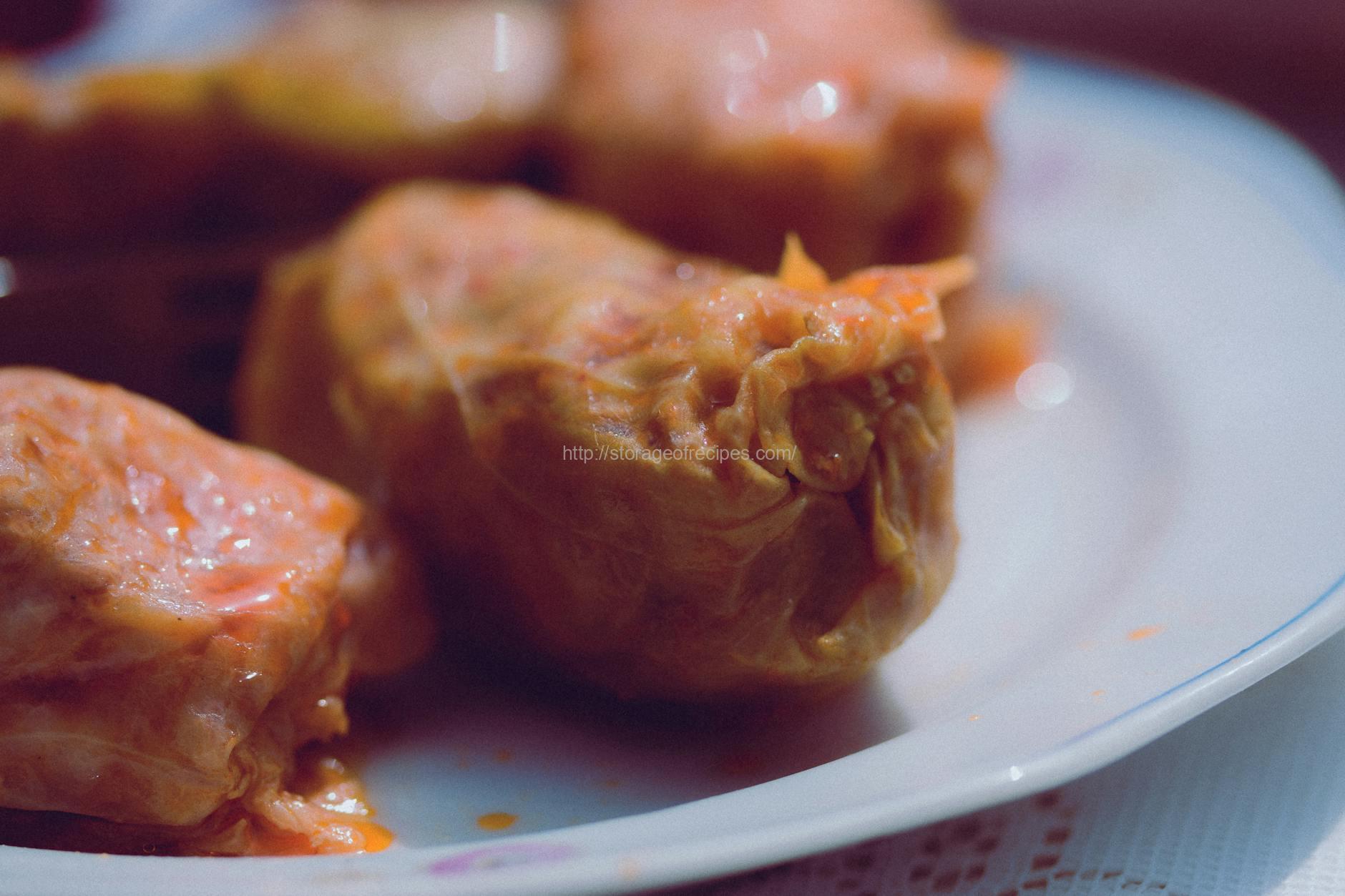
There’s something deeply comforting about a pot of holubtsi simmering slowly on the stove, filling the whole kitchen with the smell of soft cabbage, sweet onions, and savory meat. This version trades the usual pork or beef for lean, tender rabbit, which gives the filling a delicate, almost old-fashioned flavor. If you’ve never cooked rabbit before, don’t worry. It behaves much like chicken, only a little richer, and a touch of ground salo (cured pork fat) keeps the filling beautifully moist. These are the kind of cabbage rolls you’d find at a Ukrainian grandmother’s table on a Sunday, and once you make them yourself, you’ll understand why they’ve been loved for generations.
Stuffed cabbage rolls are a cornerstone of Ukrainian home cooking, and you’ll find cousins of them all across Eastern and Central Europe, from Polish gołąbki to Romanian sarmale. The Ukrainian word holubtsi is thought to come from the old word for “little doves,” likely because the neat, plump parcels reminded cooks of small birds. Traditionally, families made them for holidays, weddings, and Sunday gatherings, often in huge batches so there would be plenty to share and reheat through the week. Using rabbit harks back to a time when rural households raised their own, making this a thrifty yet special dish.
The secret to tender holubtsi is patience and a low, gentle simmer. Blanching the cabbage leaves just until pliable keeps them from tearing as you roll, and shaving down that thick rib at the base of each leaf makes folding effortless. Lining the bottom of the pot with the leftover cabbage scraps is a trick worth remembering. It creates a protective bed so nothing scorches and adds an extra layer of flavor to the cooking liquid.
Tips & Substitutions
- No rabbit? Swap in ground chicken, turkey, or a mix of pork and beef. The method stays exactly the same.
- Skip the salo if you prefer leaner rolls, but add a tablespoon of butter or oil to the filling so it doesn’t dry out.
- Make it richer by simmering the rolls in a tomato-sour cream sauce instead of plain water for a tangy, creamy finish.
- Pressed for time? Freeze the whole head of cabbage overnight, then thaw it. The leaves peel off soft and pliable with no blanching needed.
- Add a smoky note with a strip of bacon or a smoked rib tucked among the rolls as they cook.
Serve your holubtsi piping hot, generously spooned with spicy tomato ketchup or a dollop of sour cream alongside crusty bread. They taste even better the next day once the flavors have settled, so don’t hesitate to make a big batch. Store leftovers in an airtight container in the fridge for up to four days, or freeze them for a couple of months. Reheat gently on the stovetop with a splash of water so they stay tender and juicy. Smachnoho, enjoy!
Part of Ukrainian cuisine — 464 more recipes in the section.
You might also like









Ingredients
Instructions
Prepare the cabbage for the rolls. Separate the head into individual leaves and blanch them in boiling water for about 2 minutes, until they turn soft and pliable. Drain in a colander, let the water run off, then trim away the thickened, tough rib at the base of each leaf so the rolls are easier to wrap.
Don't throw away the trimmed core pieces and torn leaves. Use them to line the bottom of a large pot. This cabbage "mat" keeps the rolls from scorching and adds flavor to the dish.
Make the filling. Finely chop the onion and carrots and saute them in oil for about 3 minutes, until softened and lightly golden.
Pass the rabbit meat and salo through a meat grinder. Combine the ground mixture with the sauteed onion and carrots, then add the egg, cooked rice, salt, ground pepper blend, and 120 ml of water. Mix everything thoroughly until well combined.
Form the rolls in whatever way is easiest for you, going by the size of the leaves. Cut large leaves in half and roll smaller ones whole. Place the filling on a prepared leaf and fold it into an envelope, tucking in the edges.
Arrange the rolls in the pot fairly snugly, side by side and in several layers. Keep in mind that they expand a bit while cooking, so leave a little room.
Set the pot on the stove and pour the remaining water (about 500 ml) over the rolls. Bring to a gentle simmer and cook, covered, over low heat for about 45 minutes.
Serve the finished rolls hot, drizzled with spicy tomato ketchup. Enjoy!
Reviews
There are no reviews yet.