Béchamel Sauce
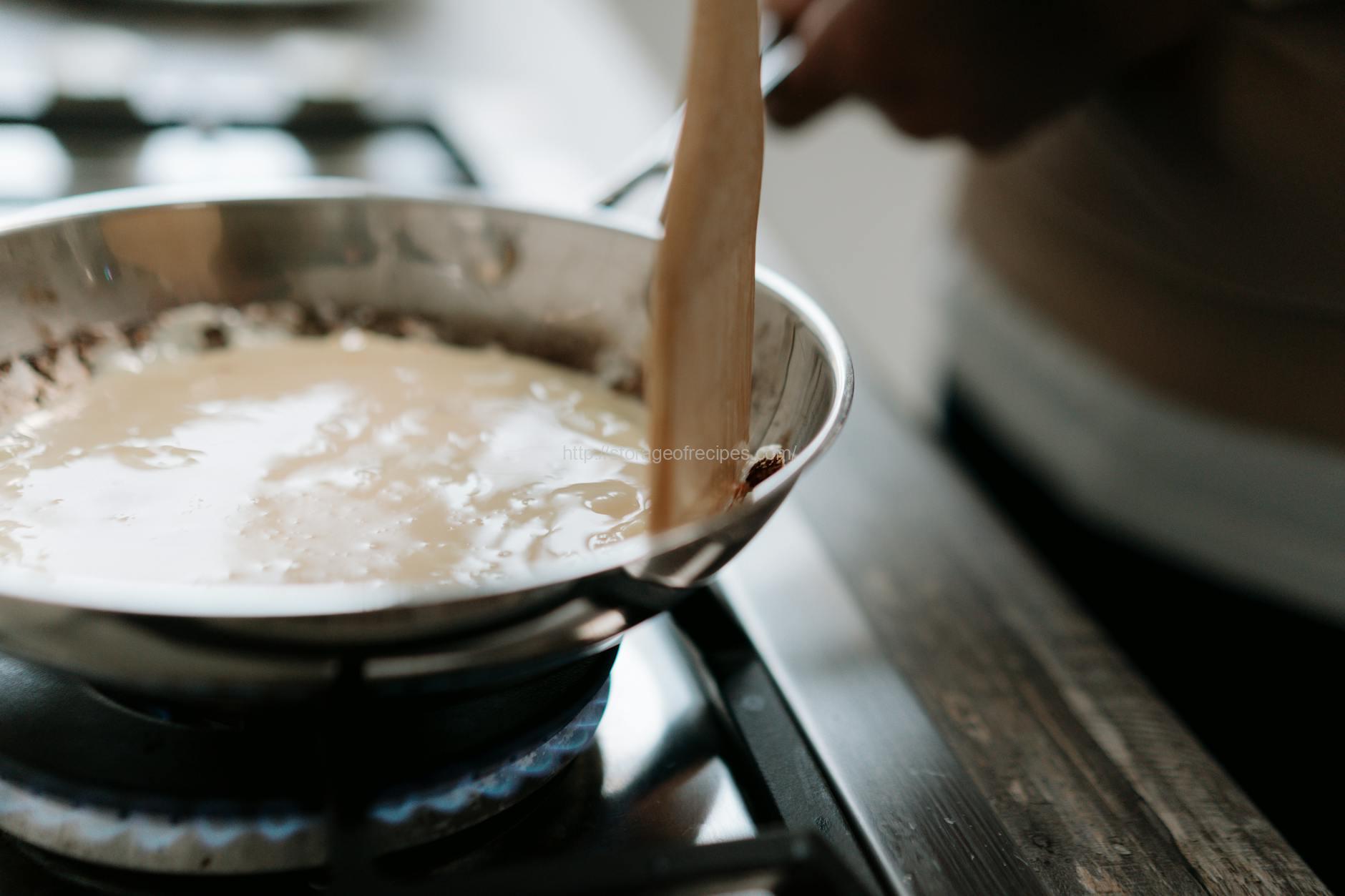
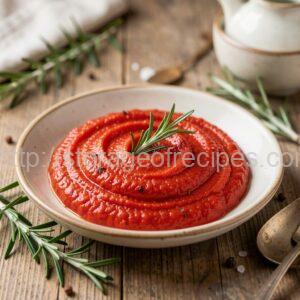
There’s something deeply comforting about making a béchamel sauce from scratch in your own kitchen. With nothing more than butter, flour, and milk, you can create a silky, velvety sauce that transforms an ordinary weeknight bake into something that tastes like it came from a proper restaurant. This version gets a gentle warmth from sweet paprika and an aromatic finish from nutmeg, with an optional handful of grated cheese for extra richness. Once you learn to make it, you’ll reach for it again and again.
Béchamel is one of the five “mother sauces” of classic French cuisine, and its roots stretch back to 17th-century France, where it was named after Louis de Béchameil, a steward at the court of King Louis XIV. Over the centuries it traveled across Europe and became a beloved staple in countless home kitchens, including throughout Ukraine, where cooks use it to bind together hearty casseroles, layer into lasagna, and spoon generously over meat and vegetables. What began as an aristocratic indulgence is now the humble backbone of comfort food everywhere.
The secret to a flawless béchamel lies in patience and constant stirring. You’ll start by gently melting the butter with a little olive oil, then cooking the flour into a pale roux. Don’t rush this step, you want the flour to lose its raw taste and turn a light golden color without browning. When you add the milk, do it slowly and in small additions while whisking, and you’ll be rewarded with a perfectly smooth sauce free of lumps. Using milk at room temperature makes this far easier, so take it out of the fridge before you begin.
Tips & Substitutions
- Milk: Whole milk gives the richest result, but you can use 2% for a lighter sauce. For a dairy-free version, unsweetened oat or soy milk works well.
- Butter: Swap in a plant-based butter to keep it vegan, and skip the cheese or use a dairy-free alternative.
- Flour: A gluten-free all-purpose blend or cornstarch slurry can replace the wheat flour if needed.
- Cheese: Stir in grated Gruyère, Parmesan, or sharp cheddar to turn this into a quick Mornay sauce for mac and cheese.
- Seasoning: The pinch of nutmeg is traditional and worth keeping, but a little garlic powder or fresh thyme makes lovely variations.
Use your béchamel right away while it’s warm and pourable, layering it into lasagna, drizzling it over baked pasta, or serving it as a creamy gravy alongside meat and roasted vegetables. If you have leftovers, press a piece of plastic wrap directly onto the surface to prevent a skin from forming, then refrigerate for up to three days. Reheat gently over low heat with a splash of milk, whisking until smooth again. Once you’ve mastered this simple sauce, you’ll find a hundred ways to make it your own.
You might also like









Ingredients
Instructions
Place the butter in a deep skillet or small metal saucepan and pour in the olive oil. Set over low heat and bring to a simmer so the butter melts completely.
Sprinkle in the flour and, stirring constantly, cook it until it turns a light golden color. This takes about 3 to 5 minutes over low heat, watch carefully so the flour doesn't scorch.
Add the ground sweet paprika and stir well so it spreads evenly through the flour base.
Pour in the room-temperature milk in a thin stream, adding it in small amounts while stirring without stopping, this keeps lumps from forming.
Continuing to stir, simmer the béchamel over low heat for about 5 minutes, until it thickens to the consistency you want.
Season with salt and pepper to taste, and if you like, add a pinch of grated nutmeg and the grated cheese. Warm for another minute so the cheese melts, then remove from the heat.
Reviews
There are no reviews yet.